Slab foundation building in Garden City KS - a slab that starts on sound ground
Planning a new house or addition on your Garden City lot? We get the soil and pad right first, so your slab gets even support.
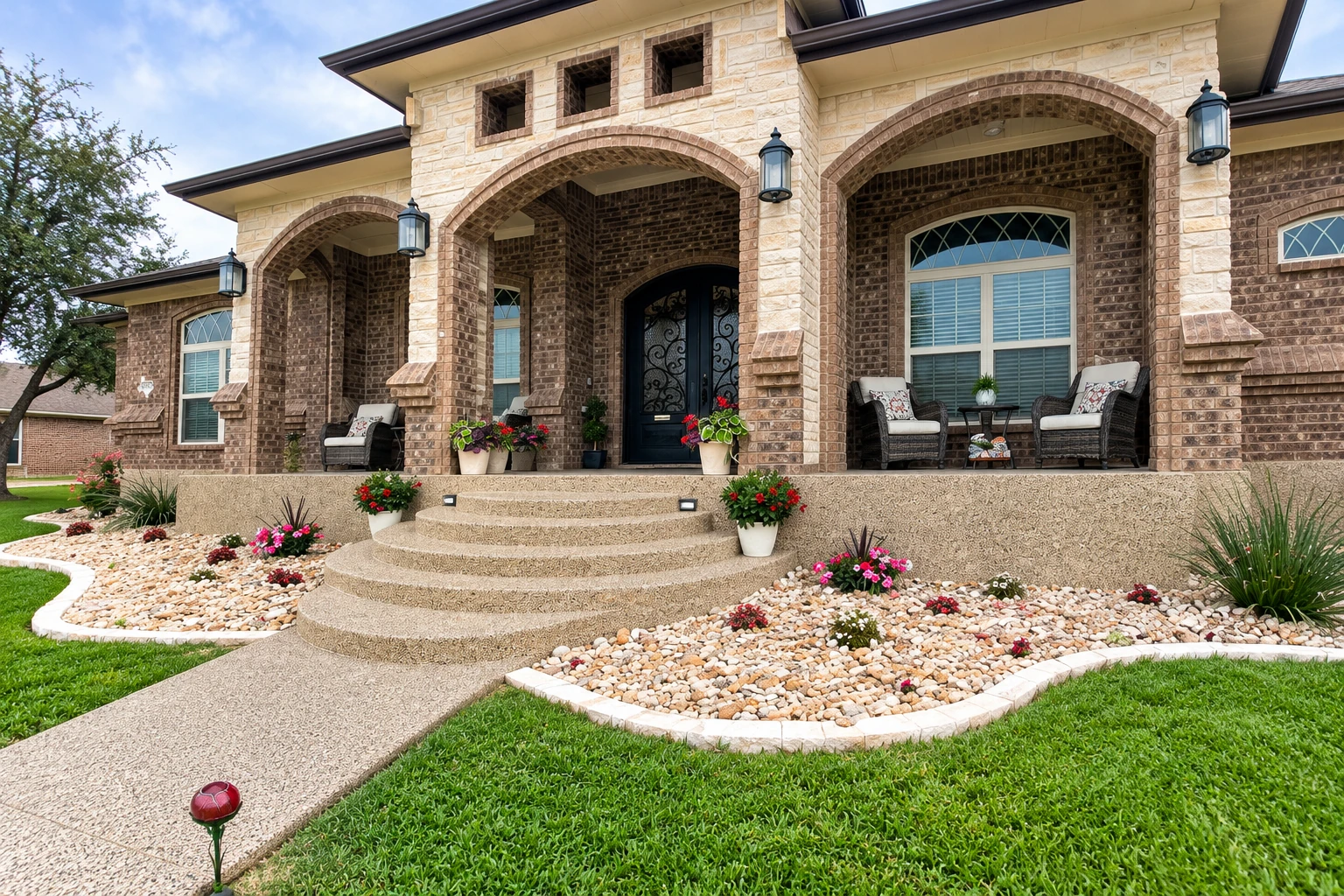
Slab foundation building in Garden City starts long before the concrete truck backs in. A slab foundation is the concrete floor a house sits on, poured right on the ground. It's only as good as the subgrade under it, the packed dirt it rests on. Years of patching rental slabs taught me that most trouble starts underneath or with water, so that's where we spend our time.
The price moves with the size and shape of the house, how much soft or loose dirt has to come out and be repacked, and whether your lot needs a soil engineer to look at it first. The schedule turns on that review, the city permit, the other trades working under the slab and the weather. Your estimate spells out what we'll do on your lot. If your plans call for walls on footings instead, see our foundation installation page.
How we build a slab foundation
- I look at the lot myself. I come out to see your lot and hear what you're building, and our crew does the work with me on site. We've been doing this since 2013.
- Soft spots dug out, not raked over. We dig out and repack soft or disturbed ground and keep track of where fill went, because even support is hard to fix once the house is up.
- Moisture sheet kept whole. Once the plumbing and wiring under the slab are tested or inspected as required, we lay the vapor retarder, a sheet that slows ground moisture, and keep it intact while other trades work.
- Your questions answered before we pour. We're fully licensed and insured, and the work is backed by our satisfaction guarantee. Call (620) 315-5440 and I'll go over any part of the plan, twice if you like.
What goes wrong under a slab
| Problem | What it looks like | Usual fix |
|---|---|---|
| Soft spots in the pad | What it looks like: Ruts or spongy ground where the house will sit | Usual fix: Dig out, refill and pack firm before covering |
| Loose fill | What it looks like: Dirt pushed in and raked level instead of packed down | Usual fix: Remove the loose fill and compact it in layers |
| Water running toward the house | What it looks like: Puddles near the pad, or rain running toward it from the yard | Usual fix: Grade the lot so the ground falls away |
| Torn moisture sheet | What it looks like: Rips, loose seams or open pipe holes in the plastic | Usual fix: Patch and seal it before any concrete goes on |
Choosing the right slab for your lot
- Slab on native ground. This suits a lot that hasn't been built up or regraded and has firm soil, where careful pad work and packing are usually what it needs.
- Slab on fill or clay. If your lot was filled or regraded recently, or the soil shrinks and swells, get a soil engineer's advice first, because it can change how the pad is built.
- Slab for an addition. This suits a room or wing added onto an existing house. The new pad still needs the same digging, packing and drainage check so it sits even with the old one.
How your slab job runs
- I visit the lot. You call, and I come out to walk the lot, see where the water runs and ask what you're building and when you want to start.
- Estimate and permit. Your estimate spells out what we'll do. We sort out the permit with you and settle who calls in the utility locates before anyone digs.
- Pour, finish and cure. Once the pad and moisture sheet are ready, we pour, finish the top and let it cure, the wait while concrete gains strength, before framing goes on.
- Walk it together. We walk the finished slab with you and go over how to look after it until the house goes up and after.
Keeping your slab sound for years
Once the house is up, the main thing in your hands is water. The ground should slope away from the house and foundation. That slope tends to wear down as beds go in and dirt gets moved, so check it now and then and fill any low spots near the walls.
Homeowners, landlords and small business owners in Garden City and the cities around it call us for house slabs, additions and shop floors. For a business, we can also pour the concrete parking lot out front. Ask for a free estimate and I'll come take a look.
Tell us about your slab
Send your lot address, whether it's a new house or an addition, any recent fill or grade changes, and your target start date. We'll reply within one business day.
(620) 315-5440- Free and done on site
- Spells out the work
- No obligation to hire us
Slab foundation questions we hear
Do I need a soil check before building a slab in Garden City?
You should get soil engineering advice if your lot has fill, clay that shrinks and swells, or a grade that was changed recently. Dirt trucked in over the last several years may still be settling, so plan that review early. Most of Finney County is mapped as well drained, but that map doesn't show fill on your lot.
Can a slab foundation be poured on frozen ground?
No, concrete should go onto unfrozen ground. Frozen soil thaws and settles after the slab is on it, and that can break the slab from below. We wait until the base has thawed before we pour, even if that pushes the start back.
Who approves construction in Garden City and Finney County?
The city's Building Inspections Division reviews, inspects and approves construction in Garden City, Holcomb and Finney County. Its permit forms include a concrete permit application and one for new homes and additions. I'll pull the permit when your job needs one, or help you through it if you'd rather apply yourself.
What license should a slab contractor have in Garden City?
Garden City licenses contractors by class, and one of those classes is D-CO Concrete Contractor, so ask any builder which city class they hold. The city's contractor form also asks for a certificate of insurance that names the City of Garden City, with at least $500,000 in general liability coverage.
Does wire mesh make a concrete slab stronger?
Not by much on a slab the thickness of an ordinary house floor. Its main job is holding the edges of a crack together, so a crack doesn't open wider. It doesn't let the slab carry more weight, which is why we put our effort into the pad underneath.